Waterproof vs smudge-proof: they are not the same claim
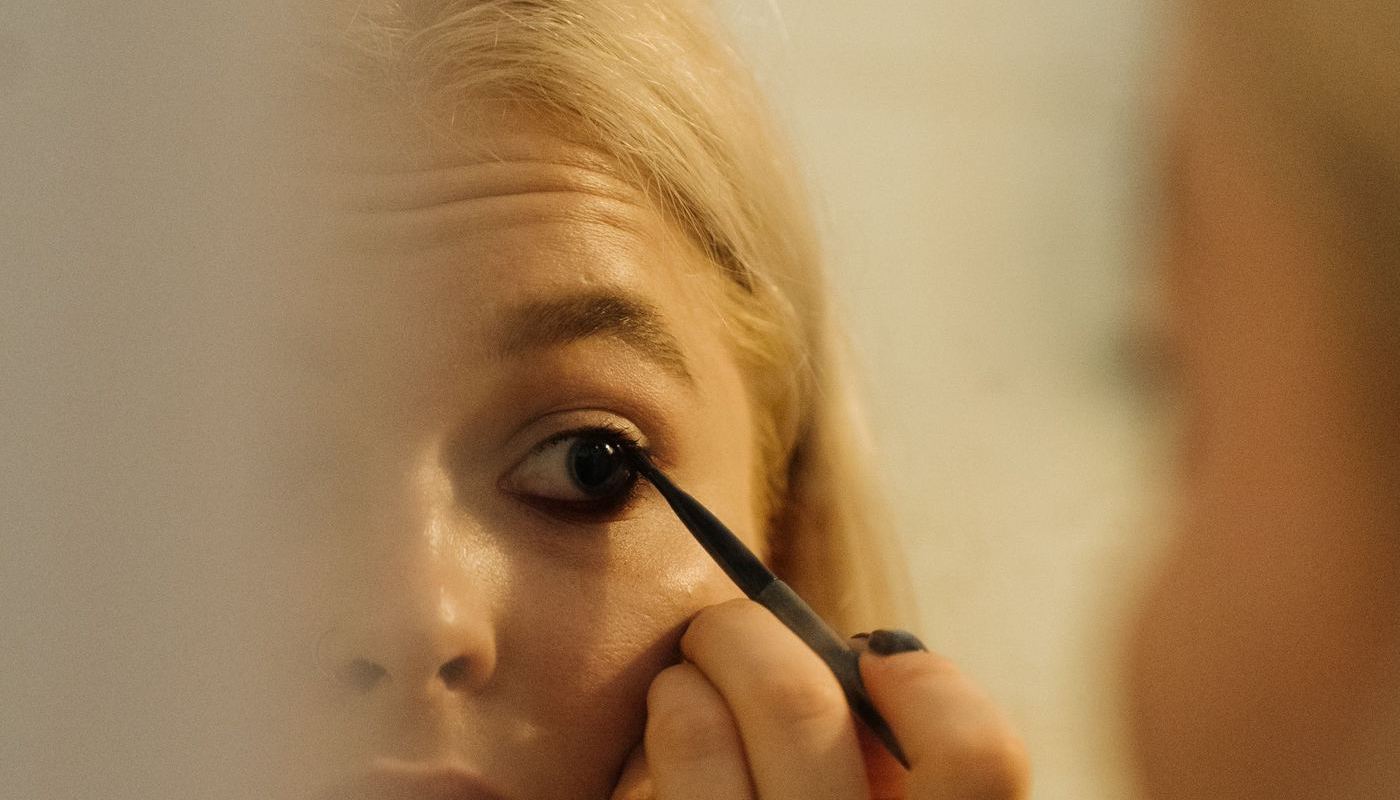
"My waterproof liner smudged by lunch" is the most common eyeliner complaint on the internet, and it usually is not a defective product. Waterproof and smudge-proof are two different properties, defeated by two different enemies, delivered by two different kinds of chemistry.
On this page
What destroys eyeliner
- Water: rain, tears, sweat, humidity. Defeated by hydrophobic ingredients.
- Oil and friction: your own sebum, eye creams, rubbing, blinking against a hooded lid. Defeated by film formers that lock pigment into a flexible, oil-resistant layer. This, not water, kills most liner by mid-afternoon.
A product can be genuinely waterproof and still smudge, because nothing on the label promised it would survive your own skin.
Reading the ingredient list
Three ingredient families tell you most of what the marketing will not.
| Family | What to look for | What it means for wear |
|---|---|---|
| Film formers | Acrylates copolymer, acrylates/octylacrylamide copolymer, trimethylsiloxysilicate, polypropylsilsesquioxane | High on the list, these create the smudge-resistant film. The single best predictor of all-day wear. |
| Volatile carriers | Isododecane, cyclopentasiloxane, alcohol denat. | Near the top means the liner dries down fast and transfers less once set. The trade-off is a stiffer feel and faster drying of the product itself, so cap it tightly. |
| Waxes and butters | High wax content, common in kohl and soft pencils | Creamy application and easy blending, which is exactly why those formats smudge. A feature for smoky looks, a bug for crisp wings. |
Practical rules from the chemistry
- Oily lids or hooded eyes: prioritise film-former-rich liquid or gel formulas, and prep with a matte primer. "Waterproof" on the label without film formers will still smudge.
- Dry or sensitive lids: fully volatile, high-alcohol formulas can feel tight; a gel pot applied thinly is often more comfortable than a heavy waterproof liquid.
- Removing waterproof film formers needs an oil-based or bi-phase remover, and the method matters as much as the product: see how to remove eyeliner without losing lashes. If it comes off with water alone, it was never very waterproof; if it will not come off with oil, stop scrubbing and let the remover sit for twenty seconds first.
The shortlists flag which picks are film-former-forward and which are wax-based, so you can match the formula to your lids rather than to the advertising. If liner is already misbehaving, the smudge diagnosis works out which of the two enemies you are actually fighting.
Questions people actually ask
So is waterproof worth paying for?
Yes if your problem is tears, sweat, swimming or humidity. No if your problem is oily lids, where film formers are the property that matters.
Can a liner be both?
Often, and the good ones are. Look for a waterproof claim plus film formers high in the ingredient list rather than trusting the front of the pack.
Does primer really help?
Against oil-driven smudging, yes, because it gives the liner a drier surface to grip. Against moisture from the waterline, barely.
Is heavy-duty removal bad for lashes?
Scrubbing is. Soaking is not. Let an oil-based or bi-phase remover sit on the closed eye, then wipe outward once instead of rubbing back and forth.